

What is the psychological purpose of transformation? The question is older than astrology. Older than psychology itself. The Upanishads asked a similar question in another form. What changes? What remains unchanged? Human beings spend their lives moving through identities, beliefs, desires, and experiences. Yet the movement itself demands examination’.
Most people assume transformation means improvement. The assumption deserves scrutiny. Not every change produces wisdom. Not every loss creates insight. Yet life repeatedly dismantles what appears stable. Relationships end. Ambitions fade. Certainties weaken. The self constructed over years begins to shift. Transformation emerges from this process. Not as a choice alone. Often as a necessity.
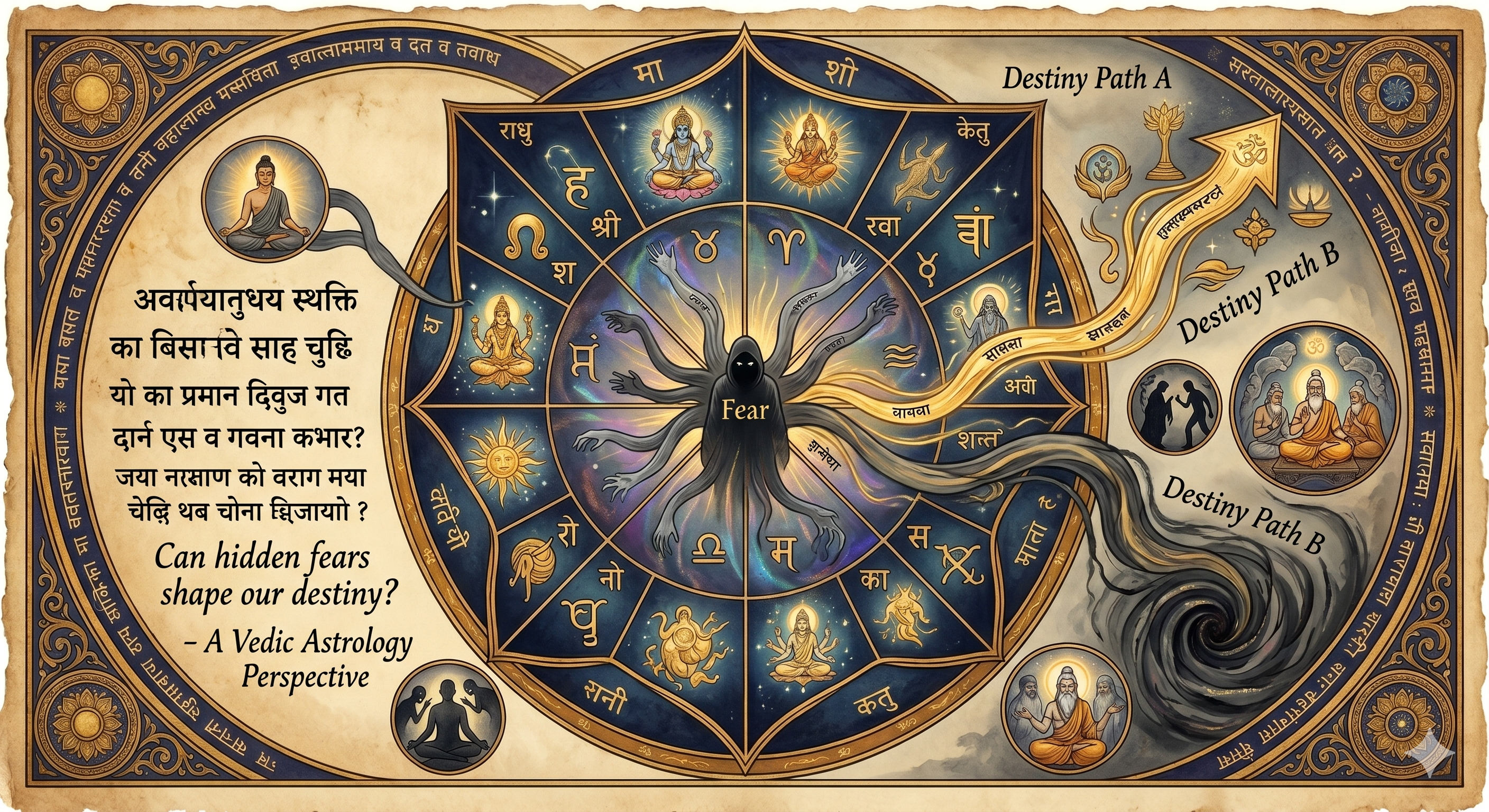
Astrology interprets these moments through symbols and cycles. It suggests that periods of disruption are not accidental’. They reveal psychological tensions already present beneath the surface. Whether one accepts this framework is secondary. The more important observation concerns the mind itself. Human beings rarely examine their assumptions until those assumptions stop working.
The Upanishadic thinkers approached reality through inquiry. They questioned appearances. They questioned perception. They even questioned the one who was questioning. Transformation becomes interesting from this perspective. The issue is not merely what changes. The issue is who experiences the change. A career may alter. A relationship may dissolve. An identity may collapse. Yet the observer remains aware of these movements.
Psychologically, transformation serves an important function. It interrupts repetition. Human beings often live through patterns they barely recognize. The same fears return. The same conflicts reappear. Different circumstances produce similar outcomes. Astrology frequently points toward these recurring tendencies. Psychology does the same through different language. Both suggest that much of life operates through unseen habits.
A disruption breaks continuity. What was automatic becomes visible. What was ignored demands attention. A personal failure may expose hidden expectations. A loss may reveal attachment. A crisis may uncover assumptions previously treated as facts. Transformation therefore functions as a process of exposure. It reveals structures of thought that usually remain concealed.
This process is rarely comfortable. Comfort depends on familiarity. Transformation removes familiarity. The known begins losing authority. New understanding has not yet emerged. The individual occupies an uncertain position between two versions of reality. Much psychological growth occurs here. Not because uncertainty is desirable. Because certainty often prevents deeper examination.
The Upanishads repeatedly direct attention inward. Not toward beliefs. Toward awareness itself. Transformation acquires a different meaning in this context. It is not simply the acquisition of new qualities. It is also the recognition of limitations. Certain fears lose influence. Certain assumptions lose credibility. The individual sees more clearly. Nothing supernatural is required.
Astrology often presents life through cycles of ending and renewal. This idea persists because it reflects observable experience. Human beings do not remain psychologically fixed. Values change. Priorities change. Interpretations change. What seemed essential at one stage becomes irrelevant at another. Transformation helps integrate these shifts into a coherent understanding of oneself.
Modern life encourages constant activity. Information increases. Distractions multiply. Yet transformation requires observation. It requires the willingness to examine one’s own motivations. This is why periods of change often feel significant. They force questions that ordinary routines postpone. What am I pursuing? Why am I pursuing it? Who benefits from these choices?
The psychological purpose of transformation may therefore be neither success nor self-improvement. It may be awareness. A clearer perception of patterns. A clearer perception of motives. Astrology frames this process symbolically. The Upanishadic tradition frames it philosophically. Both point toward a similar possibility. Human beings change continuously. The deeper task is understanding that change rather than merely experiencing it.
Leave a Reply